
Machining
Machining
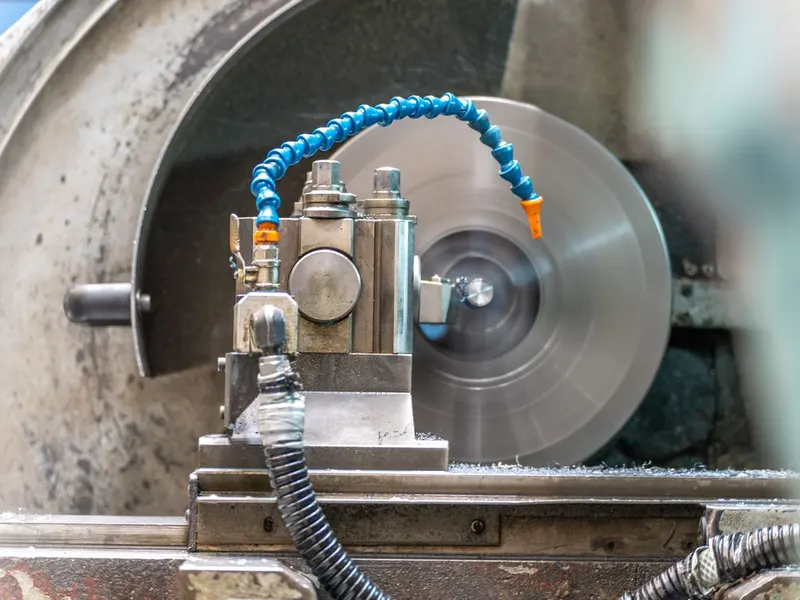
We machine the forging or the bar into the as-forged, rough-machined or finished part, to drawing. Special alloys call for the right tool, speed and coolant: it is our daily work.
What we do
- Turning of shafts, discs, rings and flanges
- Milling of blocks, slots and faces
- Drilling of flanges and tubesheets
- NPT, BSP and UN threads
Materials
Capacity, maximum dimensions and lead time on request: send the drawing. See alloys in stock.
Machining of special alloys
Austenitic stainless, duplex, nickel alloys and titanium are difficult materials to machine: they work-harden at the surface, conduct little heat and wear the tool quickly. Proper machining uses sharp, rigid tools, constant feed (never letting the tool "rub"), lower speeds than for carbon steel and abundant coolant. This is our daily work, and experience reduces machine time and the risk of scrapping expensive material.
From forging to finished part
Machining is the last step of a sequence we perform in the same plant: cutting the material from stock, forging close to the final shape, heat treatment, roughing, testing and finishing. Combining the steps reduces allowance, lead time and transport, and keeps a single traceability from the mill certificate to the part.
Roughing, finishing and inspection
We supply the part rough machined (for the customer to finish) or finished to drawing. Dimensions are checked before shipment, and a dimensional report can accompany the 3.1 certificate on request.
What to send with a quote request
To get a quote, send the drawing with tolerances and surface finish, the alloy and standard, the quantity and whether the part starts from bar, from a forging or from material you supply. Parts in special alloys are usually cheaper when the forging is already made close to the final shape, and we do both steps.
Supply tolerances
Machining allowance and tolerance for forgings, band saw cuts, machined parts and waterjet cutting are in Dustre's tables (INF 002 and INF 003): see supply tolerances. To size the forging from the finished part, use the open-die forging calculator.
More in machining
Frequently asked questions
Why is machining stainless and nickel alloys more expensive?
Because these alloys work-harden, conduct little heat and wear the tool, which requires lower speeds and more tool changes. Forging close to the final shape reduces the volume to machine and the total cost.
Do you machine parts to drawing in small quantities?
Yes. Single parts and small lots in special alloys are most of our work, mainly replacement parts for industrial maintenance.
Does Dustre perform this service on customer-supplied material?
Yes, as long as the alloy and the specification are defined. We can also supply the material from our stock, with EN 10204 3.1 certificate.
